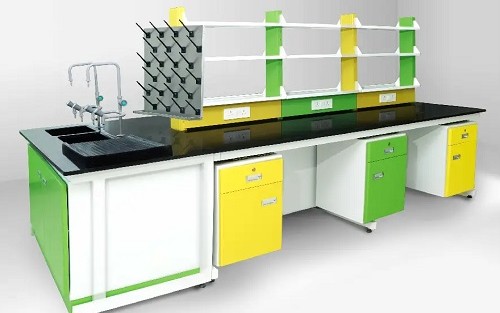
A chemical cabinet is a specialized container designed to safely store hazardous chemicals like flammable liquids, corrosives, or toxic substances, minimizing risks of exposure, fire, and spills. Key features include corrosion-resistant construction, sturdy design, and safety features like fire-resistant materials, ventilation, and spill-containment sumps. These cabinets help users comply with safety regulations and come in different types, often identified by a specific color, to suit different chemical classes.
Key features and characteristics
Hazard containment: Engineered to safely store specific classes of chemicals, such as flammable, corrosive, or toxic substances.
Construction materials: Made from durable, resistant materials. For example, flammable cabinets are made of fire-resistant materials, while acid cabinets are constructed to resist corrosion.
Safety features: Often include features like:
Spill containment: A leak-proof sump or trays at the bottom to contain any spills.
Ventilation: Vents at the top and bottom to allow for natural ventilation or connection to a technical exhaust system.
Secure locking: A secure locking mechanism to prevent unauthorized access.
Fire resistance: Flammable cabinets are designed to resist fire for a minimum duration, often 30 minutes.
Design and accessibility:
Come in various sizes and configurations.
Often include adjustable shelves and can have different door types (e.g., swing, folding, or with glass panels).
Safety compliance: Many cabinets are designed to meet specific safety standards, such as those from the NFPA and OSHA.
Color-coding: Different colors are often used to indicate the type of chemical stored:
Yellow: Flammable chemicals.
Red: Combustible liquids, paints, and inks.
Blue: Corrosive and hazardous liquids and solids.
Green: Pesticides and insecticides.